Why fitness goals are so important – and how to actually achieve them
Ever found yourself frustrated or demotivated at the gym? If so, you’re definitely not alone. But did you know that the fastest and most effective way to reboot your motivation is to set fitness goals?


The power of goal-setting isn’t limited to fitness. Having something specific to aim for helps to target our focus and maintain momentum in all areas of life. And when it comes to working out, anything that helps keep us motivated is a winner.
But, we hate to break it to you, simply having a vague idea of what you want out of your fitness journey isn’t quite going to cut it. There’s nothing worse than feeling as though you’re never reaching your target, and that can actually derail your progress.
In order to have a real influence on your behaviour – ie. convince you to choose a PT sesh over the pub – the goals you set should be clear, realistic and meaningful to you. That way, they’ll actually be achievable.
You might have heard of SMART goals, and this handy acronym is a great way to set goals you actually care about achieving. SMART goals are
S = specific – goals with a clearly defined outcome that make it easier to stay focused
M = measurable – a quantifiable objective to allow you to track progress and achievement
A = achievable – a goal within realistic reach will keep you seeking a sense of achievement
R = relevant – arbitrary goals won’t inspire you, so choose something meaningful
T = time-bound – setting a target deadline keeps you motivated and focused
How to choose fitness goals that you’ll commit to
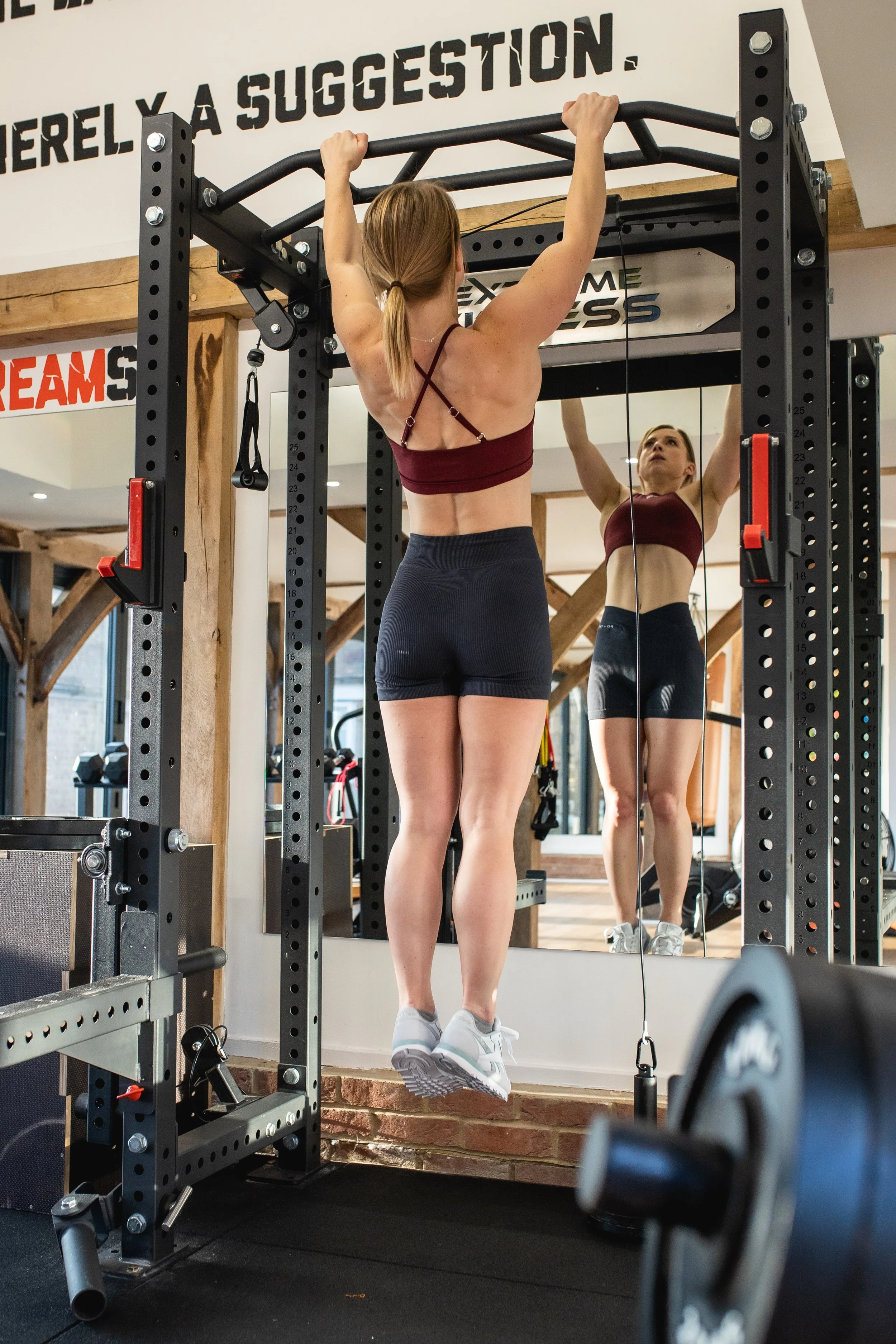
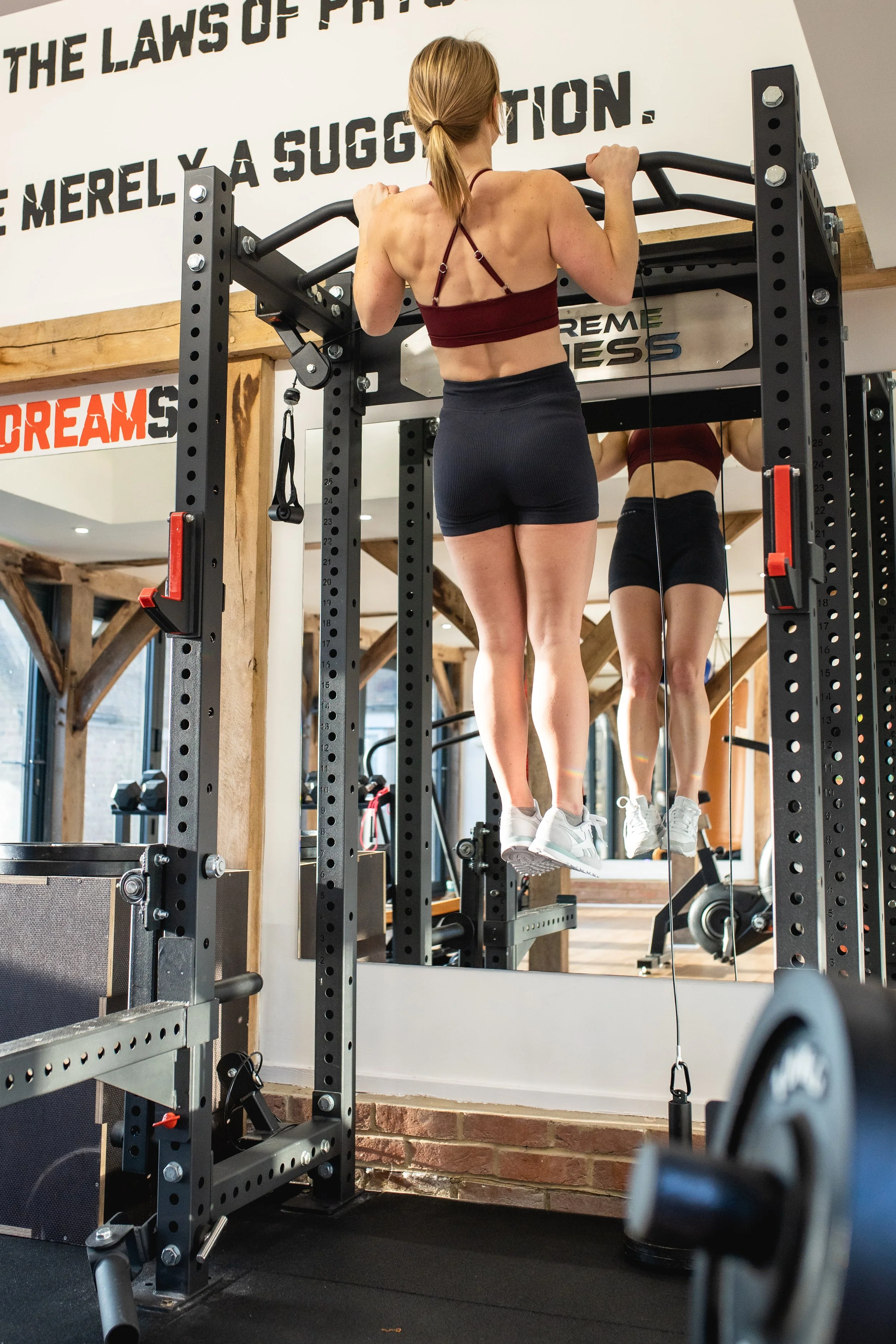
We get it, SMART goals are all well and good, but when it comes to fitness, what sort of targets are we talking about? It might be reaching a certain body fat percentage or weight, a more muscular aesthetic, to be able to do a strict pull-up, compete in a HYROX, or maybe something more sport specific like improving your stamina for martial arts or padel tennis.
You need to have a clear, measurable end goal, but it helps to break down the journey into more manageable chunks, that will keep you on track.
Perhaps you’ve always dreamed of running a marathon. It’s tempting to start training for the full distance right away, but it can be incredibly disheartening to realise just how far away your starting point might be from the end goal. So why not book a 5k and use that as your first target, then move onto a 10k or a half marathon before committing to the full distance.


“ the fastest and most effective way to reboot your motivation is to set fitness goals”
Or maybe your overall goal is to get stronger. That’s great, but now break it down. Why do you want to get stronger? To improve your martial arts game or to carry your child without hurting your back? If it’s both, that’s fine too, but knowing your primary reason for your goal helps set you on the best path to achieving it.
And if all that thinking and planning sounds a bit overwhelming, don’t worry. That’s what a PT is here for. Not only will they put in place a plan to help you achieve your goals in step-by-step chunks, they can help you work out specific goals to set – and new ones once you achieve them.
The key to achieving your goals
Even the simplest of goals go out the window sometimes. But there’s one tactic that ensures you give yourself the best chance of achieving yours. And that’s tracking your progress.
Picture the scene: you’ve worked hard for a month to achieve your fitness target, whatever that might be. And you haven’t got there. You’re tired, losing motivation faster than you can say “one more squat” and you’ve wondering if it’s worth continuing with this gym lark after all.
But imagine how much more motivated you’d feel if you knew that, actually, you were halfway there. That you were closer to your end goal than to your starting point. That’s the magic of progress tracking, whether by recording your weights, reps and sets, or noticing that your waist size is smaller even if the scales haven’t shifted (thanks, muscle!)
By keeping track of your journey – and this is something a PT can take charge of too – you can ensure that delicious sense of achievement isn’t just something you feel at the elusive end point, but something that washes over you after every workout. And that’s what will keep you coming back, challenging your body and your mind with purpose, until you reach your ultimate goal.